
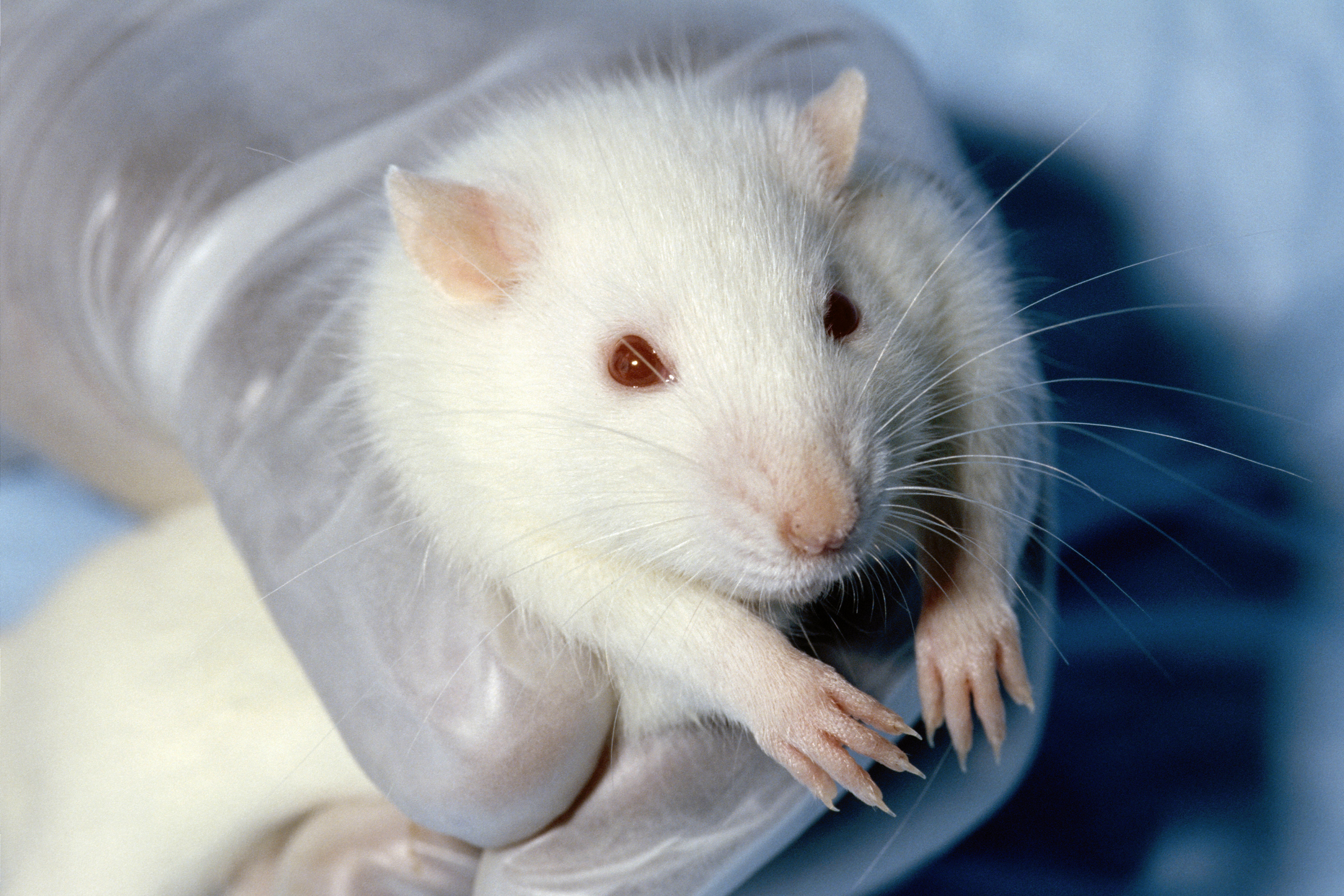
Animal testing is a problem which many people have been fighting to change in many industries where the use of chemicals are required. The most notorious industry for animal testing is the cosmetics industry, with most of the brands coming under fire every single year for the continuous use of chemical testing on animals before they supply their product. The testing on animals is wrong and needs to come to an end. Not only does it show the lack of care human beings has for the other species which share this planet with us.
Since the protest towards animal testing began many decades ago, many countries and other organisations have done their best to put a stop to it. In 1998, the UK put a ban on distributing any products which were tested on Animals and in 2013 the EU implemented a law which made it illegal to sell animal-tested cosmetics in Europe, even if the testing was done outside of Europe. Despite the fact laws have been set in place, until this day, products are still being globally sold which have been tested on animals – this is due to the involvement of REACH. REACH is the world’s largest chemical testing programme, and it allows companies to test their product through them. As a result, many loopholes are created which stunts progress in the right direction.
Most governments have done their part in the fight against animal testing. This puts the pressure on large superpowers such as the US and China who still allow it. China in such a focal figure in the global markets with many products circling around them. China has a rule which forbids them from producing or selling any cosmetic products which have not been tested on animals. Recently, an American company known as “Nars” sent their chemical products to China, and they performed the tests. Due to this, the company Nars received a global boycott from many buyers. Despite coming so far to bring the testing of cosmetic products on animals to an end, we always seem to go two steps forward and one step back.
Why does the problem still exist?
Despite the fact that 40 countries, most of them due to the EU law, have banned animal testing, there are still several other countries around the world who have no introduced anything for it. There are too many loopholes which many companies are exploiting such as not testing on animals using chemicals in their cosmetics which have gone through animal testing. There is no doubt that the governments hold an important role in encouraging others to get behind the decision to pass legislation against Animal testing. All there is left to see is where action can be taken. Will governments in the remaining countries sit back while the harmless testing on animals continues despite their being cruelty-free methods; Or will they stay naive and not act upon the situation.
Michael Patcha
 Global Space